Why Did Islam Spread?
This article is an excerpt from the Algerian journal Ach-Chihab, a reformist review led by Shaykh Abdelhamid Ben Badis and other writers of the Algerian ulema movement. Born in the context of colonial Algeria, this journal aimed to spread religious and intellectual reform, defend the Arabic language, and contribute to the awakening of Muslim and Algerian consciousness.
Editorial note
The vocalization below was added to make the text easier to read. It therefore remains an editorial formatting effort based on the scan.
Vocalized Arabic Text
مَجَلَّةُ «حَوْرَان» وَالأَحْكَامُ الشَّرْعِيَّةُ
بَحْثٌ حُقُوقِيٌّ فَلْسَفِيٌّ
لِمَاذَا انْتَشَرَ الإِسْلَامُIslam؟ (حُكْمًاgovernance وَعِبَادَةًworship)
كُلُّ مَنْ عَرَفَ الإِسْلَامَIslam يَعْلَمُ أَنَّهُ هِدَايَةٌ رُوحِيَّةٌ وَنِظَامٌ اجْتِمَاعِيٌّ، وَأَنَّهُ شَرِيعَةُreligious law عِبَادَةٍworship وَحُكْمٍgovernance؛ عِبَادَةٌworship شُرِعَتْ لِتَحْرِيرِ العُقُولِminds وَتَرْقِيَتِهَا، وَتَهْذِيبِ النُّفُوسِ وَتَكْمِيلِهَا، وَتَقْوِيَةِ الأَبْدَانِ وَتَنْشِيطِهَا، وَحُكْمٌgovernance أُسِّسَ عَلَى العَدْلِjustice وَالإِحْسَانِexcellence فِي السِّيَاسَةِ وَالإِدَارَةِ وَالقَضَاءِ.
بِهَذَا انْتَشَرَ الإِسْلَامُIslam بِسُرْعَةٍ غَرِيبَةٍ فِي مُدَّةٍ قَلِيلَةٍ فِي أَقْطَارِ الأَرْضِ، وَانْتَشَرَ كَذَلِكَ كِتَابُهُ القُرْآنُQuran وَلُغَةُ كِتَابِهِ العَرَبِيَّةُArabic language هَذَا الِانْتِشَارَ الغَرِيبَ الوَاسِعَ السَّرِيعَ، الَّذِي لَمْ يَعْرِفْهُ التَّارِيخُ قَبْلَهُ وَلَا بَعْدَهُ لِدِينٍ وَلَا لِلُغَةٍ وَلَا لِكِتَابٍ.
وَعَلَى هَذَا تَلَقَّتْهُ الأُمَمُ المُتَبَايِنَةُ الأَجْنَاسِ، المُخْتَلِفَةُ الأَخْلَاقِ وَالعَقَائِدِ وَالمَقُومَاتِ، المُتَبَاعِدَةُ المَنَازِلِ وَالبِيئَاتِ. هَكَذَا تَلَقَّتْهُ كُلُّ أُمَّةٍ مِنْ تِلْكَ الأُمَمِ بِعِبَادَتِهِ وَحُكْمِهِ، وَأَخَذَتْ تُكَيِّفُ نَفْسَهَا عَلَى مُقْتَضَى هَدْيِهِ وَنِظَامِهِ.
لَا سَبِيلَ لَنَا أَنْ نَقُولَ إِنَّ هَذَا الأَمْرَ العَجِيبَ كَانَ بِسُلْطَانِ القُوَّةِforce؛ فَإِنَّنَا نَرَى وَنُشَاهِدُ أَنَّ الأُمَمَ الأُورُوبِّيَّةَ المُسْتَعْمِرَةَ المُسْتَمِرَّةَ ذَاتَ القُوَّةِforce وَالبَأْسِ وَالبَطْشِ وَالشِّدَّةِ لَمْ تَسْتَطِعْ أَنْ تُخْضِعَ الأُمَمَ ذَاتَ الحَضَارَةِ وَالتَّارِيخِ لِقَوَانِينِهَا الوَضْعِيَّةِ إِخْضَاعًا حَقِيقِيًّا عَامًّا، وَلَمْ تَسْتَطِعْ أَنْ تَجْعَلَ لُغَتَهَا بِحَيْثُ يُقْبِلُ عَلَيْهَا النَّاسُ إِقْبَالًا يُنْسِيهِمْ لُغَاتِهِمْ وَيُحِلُّ اللُّغَاتِ الأُورُوبِّيَّةَ مَحَلَّهَا، وَلَمْ تَسْتَطِعْ كَذَلِكَ أَنْ تَنْشُرَ دِينَهَا مِثْلَ ذَلِكَ الِانْتِشَارِ حَتَّى فِي الأُمَمِ الوَثَنِيَّةِ، رَغْمَ مَا تُزِيدُ بِهِ المُبَشِّرِينَ مِنَ المَالِ وَالسُّلْطَانِ.
هَذِهِ هِيَ الحَقِيقَةُ الَّتِي نَرَاهَا وَنُشَاهِدُهَا مِنْ أُورُوبَّا فِي هَذَا المِضْمَارِ، وَقَدْ مَلَأَتْ أَسَاطِيلُهَا البِحَارَ أَرْجَاءَهَا وَأَعْمَاقَهَا، وَمَلَكَتْ طَائِرَاتُهَا السَّمَاءَ أَجْوَاءَهَا وَآفَاقَهَا، وَاحْتَلَّتْ جُنُودُهَا البَرَّ مَاسِكَةً خِنَاقَهَا، وَاسْتَوْلَتْ أُمَمُهَا عَلَى الأُمَمِ تَمْلِكُ أَرْوَاحَهَا وَأَرْزَاقَهَا. وَلَكِنَّهَا عَجَزَتْ عَنْ امْتِلَاكِ القُلُوبِhearts الَّتِي هِيَ مَنْشَأُ التَّبْدِيلِ وَالتَّغْيِيرِ، لِأَنَّ كُلَّ مَظَاهِرِ القُوَّةِforce لَا سُلْطَانَ لَهَا عَلَيْهَا لَا بِكَثِيرٍ وَلَا بِقَلِيلٍ.
فَإِذَنْ لَيْسَتِ القُوَّةُ - قَطْعًا - سَبَبَ انْتِشَارِ الإِسْلَامِ الوَاسِعِ السَّرِيعِ الغَرِيبِ.
الإِنْسَانُ مَفْطُورٌ عَلَى كَمَالَاتٍ فِي خِلْقَتِهِ الأُولَى، لَوْ سَلِمَتْ لَهُ مِمَّا يُعَارِضُهَا، وَوَجَدَتْ مَا يُنَمِّيهَا وَيُرَقِّيهَا مِمَّا يُنَاسِبُهَا، لَعَاشَ فِي هَذِهِ الدُّنْيَا إِنْسَانًا كَامِلًا. وَلَكِنَّ الشَّهَوَاتِ البَدَنِيَّةَ وَالأَهْوَاءَ النَّفْسِيَّةَ الَّتِي يَحْمِلُهَا الأَفْرَادُ وَتُقِرُّهَا النُّظُمُ الِاجْتِمَاعِيَّةُ، وَتَتَضَاعَفُ بِتَوَارُثِ الأَجْيَالِ عَنِ الأَجْيَالِ فِي الأَحْقَابِ بَعْدَ الأَحْقَابِ، هِيَ الَّتِي تُفْسِدُ عَلَيْهِ فِطْرَتَهُ الأُولَى وَتَسِمُهُ بِمِيسَمِ الشَّرِّ وَتُرْدِيهِ فِي دَرَكَاتِ الِانْحِطَاطِ.
لَكِنْ مَهْمَا كَثَّفَتْ سُحُبُ الجَهَالَاتِ وَالضَّلَالَاتِ فَإِنَّ نِبْرَاسَ الفِطْرَةِprimordial nature الأُولَى لَا يَضْمَحِلُّ، وَإِنْ كَانَ قَدْ يَضْأَلُ وَيَقِلُّ.
فَإِذَا جَاءَ مَنْ يَدْعُو الإِنْسَانَ إِلَى سَعَادَتِهِ عَلَى طَرِيقِ فِطْرَتِهِ، فَإِنَّهُ يَخْضَعُ لَهُ وَلَا مَحَالَةَ، وَيَسْتَوْلِي عَلَيْهِ بِسُهُولَةٍ فِي زَمَانٍ قَصِيرٍ؛ يَخْضَعُ لَهُ خُضُوعَ العَقْلِ لِلْحَقَائِقِ الَّذِي هُوَ مَظْهَرُ قُوَّتِهِ وَكَمَالِهِ، لَا خُضُوعَ ضِعَافِ القُلُوبِ لِلْجَبَّارِينَ الَّذِي هُوَ مَظْهَرُ الوَهْنِ وَالنَّقْصِ. وَيَسْتَوْلِي عَلَيْهِ اسْتِيلَاءَ النُّورِ عَلَى النُّورِ الَّذِي يَزْدَادَانِ بِهِ إِشْعَاعًا وَإِنَارَةً وَازْدِهَارًا، لَا اسْتِيلَاءَ الأَوْهَامِ عَلَى الأَفْكَارِ الجَامِدَةِ الَّتِي تَزْدَادُ بِهَا ظُلُمَاتُ الجَهْلِ وَالضَّلَالِ، فَهِيَ ظُلُمَاتٌ بَعْضُهَا فَوْقَ بَعْضٍ.
فَالفِطْرَةُprimordial nature إِذَنْ هِيَ مَوْضِعُ التَّأْثِيرِ الصَّحِيحِ الدَّائِمِ عَلَى الإِنْسَانِ، وَهِيَ أَقْرَبُ طَرِيقٍ مُوصِلٌ إِلَى تَفَهُّمِهِ مَا يُوصِلُهُ إِلَى السَّعَادَةِhappiness وَالكَمَالِ، وَهِيَ أَحْسَنُ سِرَاجٍ يُنِيرُ لَهُ بِهِ دُعَاةُ الخَيْرِgoodness سَبِيلَ مَا يَدْعُونَهُ إِلَيْهِ. وَكُلُّ دَعْوَةٍ فَإِنَّ نَجَاحَهَا وَفَشَلَهَا يَكُونَانِ عَلَى قَدْرِ قُرْبِهَا وَبُعْدِهَا مِنْ هَذِهِ الفِطْرَةِprimordial nature الَّتِي هِيَ أَعْظَمُ مِنْحَةٍ أَوْدَعَهَا الخَالِقُ فِي المَخْلُوقِ.
هَذِهِ الفِطْرَةُprimordial nature هِيَ الَّتِي خَاطَبَهَا الإِسْلَامُIslam وَبَنَى عَلَيْهَا عِبَادَتَهُworship وَأَحْكَامَهُ، فَكَانَ لَهُ ذَلِكَ النَّجَاحُ الغَرِيبُ الوَاسِعُ السَّرِيعُ.
English Translation
“Horan Review and the rulings of religious law”: a legal and philosophical study. Why did Islam spread, both as a system of governance and as worship?
Whoever knows Islam knows that it is both spiritual guidance and a social order. It is a law of worship and governance: a worship legislated to liberate minds, elevate them, discipline souls, perfect them, strengthen bodies and energize them; and a government founded upon justice and excellence in politics, administration, and judgment.
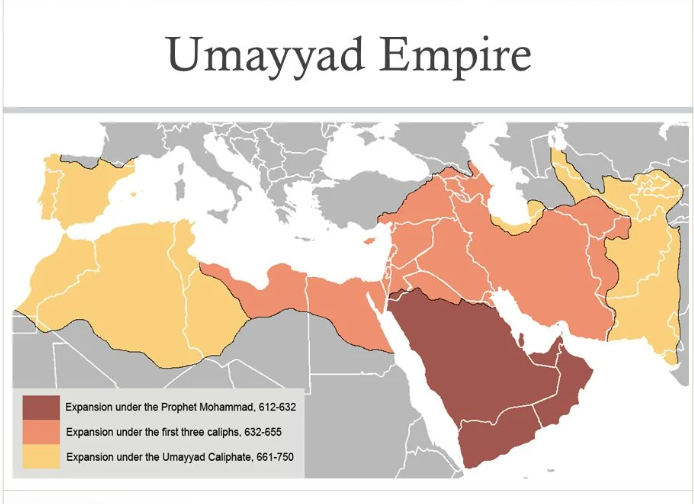
This is how Islam spread with astonishing speed, in a short time, across the regions of the earth. Its Book, the Quran, and the Arabic language of that Book likewise spread in this strange, vast, and rapid way, the like of which history had known neither before nor after for a religion, a language, or a book.
Thus, nations of differing races, morals, beliefs, social foundations, dwellings, and environments received it. Every one of those nations received it in its worship and its rule, and then began to shape itself according to its guidance and its order.
We therefore cannot say that this remarkable matter was due to the force of power alone. We see and observe that the colonial European nations, despite their power, might, violence, and severity, were not able to truly and universally subject civilizations with history and culture to their man-made laws. Nor were they able to impose their language so that people would turn to it in a way that made them forget their own tongues and replace them with European languages. Nor were they able to spread their religion in a similar way, even among pagan nations, despite the wealth and authority they gave to missionaries.
This is the reality we see and observe in Europe in this regard: its fleets filled the seas far and wide, its aircraft controlled the skies and horizons, its armies occupied the land and held it in their grip, and its nations seized other nations, controlling their lives and livelihoods. Yet they remained incapable of possessing hearts, which are the true source of transformation and change, because all outward manifestations of force have little or no authority over them.
Force, then, is certainly not the cause of Islam's vast, rapid, and astonishing spread.
The human being is naturally predisposed toward perfections in his original creation. If that disposition were protected from what opposes it, and if it found what nurtures and elevates it in a manner suited to it, man would live in this world as a complete human being. But bodily desires and inner passions, carried by individuals, approved by social systems, and multiplied through generation after generation over long periods, corrupt that original nature, mark man with the stamp of evil, and cast him down into the levels of decline.
Yet no matter how dense the clouds of ignorance and misguidance become, the lamp of the original fitrah does not vanish completely, even if it may grow dim and weak.
When one comes calling man to his happiness by way of his fitrah, he inevitably yields to him and is won over with ease in a short time. He yields as the intellect submits to realities, which is a sign of strength and perfection, not as weak hearts submit to tyrants, which is a sign of frailty and deficiency. It takes hold of him as light joins with light, increasing both in radiance, illumination, and beauty, not as illusions seize rigid minds and increase them in the darkness of ignorance and error, layers of darkness piled one upon another.
Fitrah, then, is the place of sound and lasting influence upon the human being. It is the nearest path through which he comes to understand what leads him to happiness and perfection. It is the finest lamp by which callers to goodness illuminate for him the path to what they invite him. The success or failure of every call depends on how near or far it is from this fitrah, which is among the greatest gifts the Creator has placed within the creature.
It is this fitrah that Islam addressed and upon which it built its worship and its rulings. That is what gave it this astonishing, vast, and rapid success.
End of the excerpt
The scan ends with the note: (لها تابع), meaning: “to be continued”.
Interested in our programs?
Contact us to learn more about our learning packages in Madinah.
 WhatsApp